

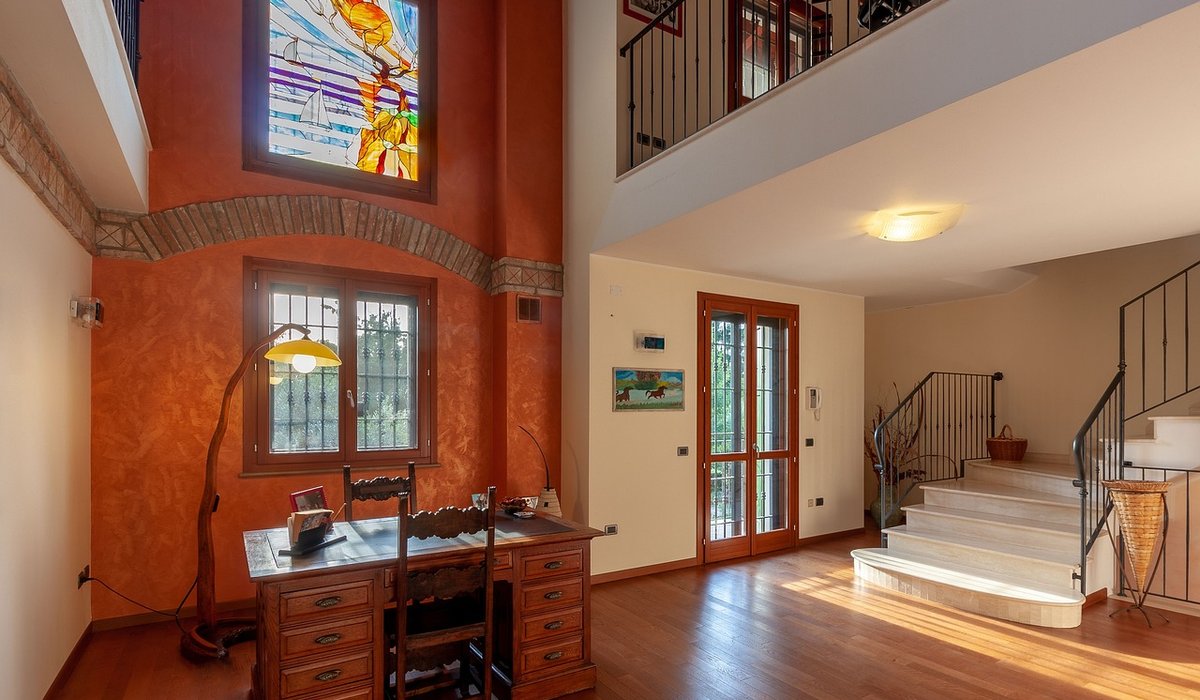
Start with the study zone, not the whole bedroom
Teenagers often feel overwhelmed by the phrase "tidy your room". It sounds like a demand to sort every possession at once. A more effective approach is to begin with one small area that affects daily life: the study zone. Whether that's a corner of their bedroom, a shared desk in the living room, or a small table in the hallway, the goal is the same. They need a clear surface where they can open a textbook, place a laptop, and write without moving a pile of clothes or empty mugs first. When the study area works, homework feels less stressful, and they are more likely to keep it that way.
Create a clear, calm study surface
A study zone should have three things: good light, a comfortable chair, and a surface that stays mostly clear. Work with your teenager to strip the desk back to essentials. Keep only what they use every day: a lamp, a pen pot, a notebook, and perhaps a charging cable. Everything else can live in a drawer, on a shelf, or in a nearby box. If they share the space, use a lidded storage box that slides under the bed or into a wardrobe at the end of each study session. The aim is not perfection but a surface that is ready to use. A clear desk signals to the brain that it's time to work, and it removes the small friction that leads to procrastination.
Use drawer dividers to tame stationery chaos
Stationery is one of the biggest sources of quiet clutter. Pens, pencils, highlighters, rulers, calculators, USB sticks, and chargers end up jumbled in a drawer or scattered across the room. Drawer dividers are a simple, inexpensive fix. Measure the drawer, then choose dividers that create zones for different categories. You could use:
- A long section for rulers, scissors, and a calculator.
- A small square for rubber bands, paper clips, and sticky notes.
- A pot or cup for pens and pencils, ideally separated into "working" and "spare".
- A dedicated spot for a USB drive, headphones, or a phone cable.
Label each zone with a simple word or a small picture. This helps your teenager put things back without thinking. If the drawer is shallow, use an expandable organiser or a cutlery tray from a household shop. The point is to give every item a home so that "I can't find a pen" is no longer a reason to abandon homework.
Review paperwork together each week
Paper is the sneakiest form of clutter. Letters from school, revision notes, permission slips, and old worksheets pile up on the desk, the floor, and the bottom of a school bag. Set aside fifteen minutes once a week, perhaps on a Sunday evening or a Friday after school, to go through it together. Make it a calm routine, not a punishment. Sit side by side with three trays, folders, or piles:
- Action – forms to sign, homework to hand in, or dates to add to a calendar.
- File – revision notes, topic summaries, or coursework that needs keeping.
- Recycle or shred – old timetables, finished worksheets, and anything no longer needed.
Ask your teenager to make the decisions where possible. You might say, "Do you need this for next term, or shall we let it go?" This builds their confidence and keeps the system honest. For digital paperwork, create a folder on their laptop or tablet for each subject, and set a weekly reminder to move loose files into it. A simple wall file or a document box near the study zone can hold the "action" papers until they are dealt with.
Tackle bedroom clutter in short, kind bursts
The rest of the bedroom still needs attention, but it does not have to be a battleground. Instead of a full clear-out, try ten-minute resets. Set a timer and choose one category: dirty laundry, clean laundry, books, tech, or rubbish. Focus only on that category. A laundry basket in the corner and a small bin by the desk can solve most of the daily mess. For longer-term storage, use under-bed boxes for out-of-season clothes, over-door hooks for bags and coats, and a shelf or two for books and games. Let your teenager choose what stays on display. Their room is their space, and a few posters or favourite items make it feel like home. If they are unsure about an item, put it in a "maybe" box for a month. If they don't miss it, it can go.
Keep the system going without nagging
No system works perfectly, and that is fine. The goal is progress, not a show home. Agree on a short weekly check-in, maybe five minutes on a Sunday, to see what is working and what needs adjusting. Praise the effort, not just the result. If the desk is clear but the drawer is a mess, that is still a win. Let your teenager suggest changes, such as moving the pen pot or adding a shelf. When they feel ownership, they are far more likely to maintain it. And if a week goes by without a reset, simply start again. Home organisation is a skill, and like any skill, it grows with practice and patience.


Coding is used in almost all aspects of life and work now, be it directly or indirectly. It’s not just for companies in the tech sector. “An increasing number of businesses rely on computer code,
Coding is used in almost all aspects of life and work now, be it directly or indirectly. It’s not just for companies in the tech sector. “An increasing number of businesses rely on computer code,
Coding is used in almost all aspects of life and work now, be it directly or indirectly. It’s not just for companies in the tech sector. “An increasing number of businesses rely on computer code,